What SDR to HDR conversion actually does
One feature, done precisely: upload an SDR video and get back a true 10-bit HDR10 master. No upscaling, no bundled toolkit, no software to install.
What it does
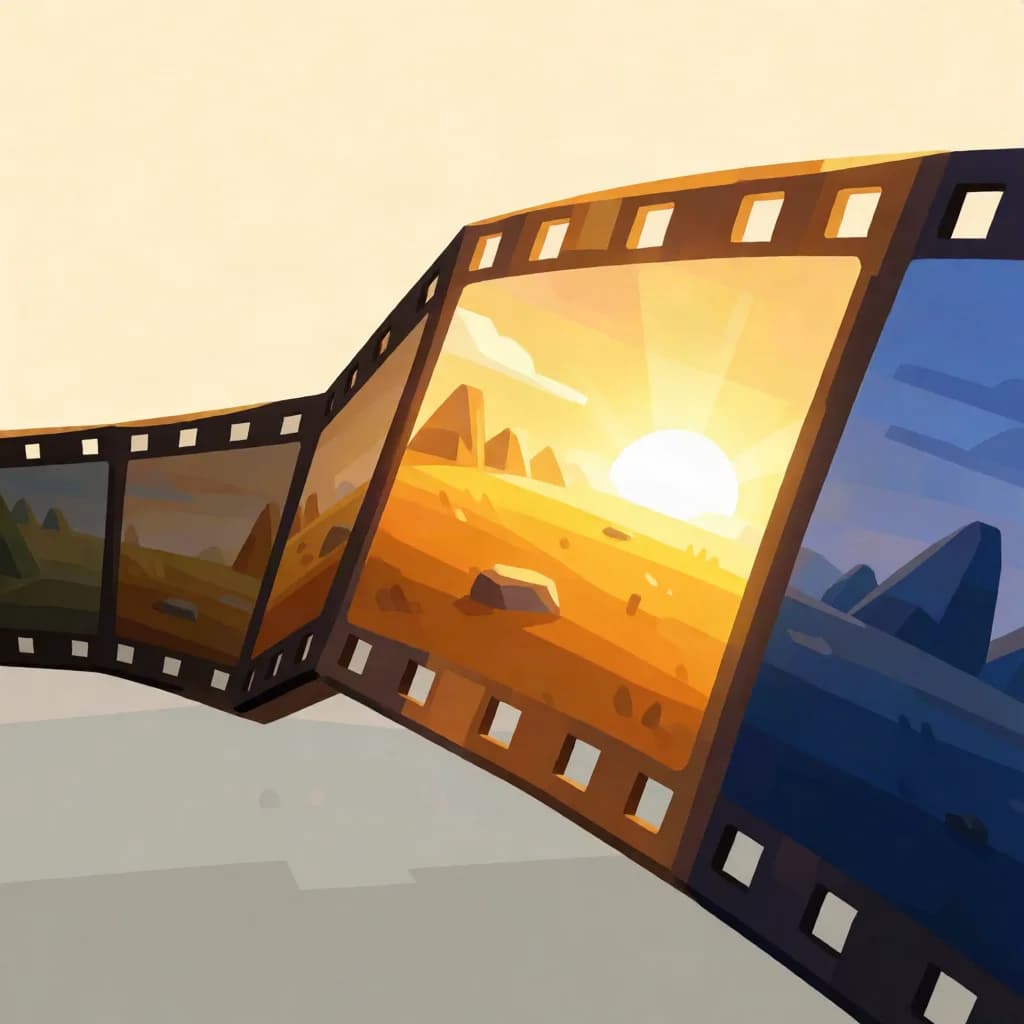
The engine analyzes your footage frame by frame and remaps luminance and color into HDR10's wider range: 10-bit color instead of 8-bit, PQ transfer instead of a flat SDR curve, Rec. 2020 primaries instead of Rec. 709. Skies, water, skin tones, and any real light source in frame gain headroom that was not there before.
How a conversion runs
Upload an MP4, MOV or WebM through the web app. The clip is read for resolution and duration, which sets the price, and you confirm before anything is charged. The engine then remaps the footage frame by frame and returns a finished file, usually in a few minutes for a short clip. There is nothing to install, no GPU requirement, and no project file: what goes in is a video and what comes out is a video.
What it does not do
It does not upscale. Your 1080p clip comes back 1080p, your 4K clip comes back 4K, resolution and frame rate are preserved exactly, because inventing pixels and inventing luminance are different problems. It also does not output Dolby Vision or HLG. Dolby Vision needs a per-title license we would have to pass onto every conversion; HLG's backward-compatibility trick only matters for a live broadcast feed. HDR10 is royalty-free, open, and the floor every other HDR format falls back to.
The output
A 10-bit H.265 MP4 with HDR10 metadata: smpte2084 transfer, bt2020 primaries, yuv420p10le pixel format. No watermark. Resolution and frame rate identical to your source.
How to verify you got real HDR10
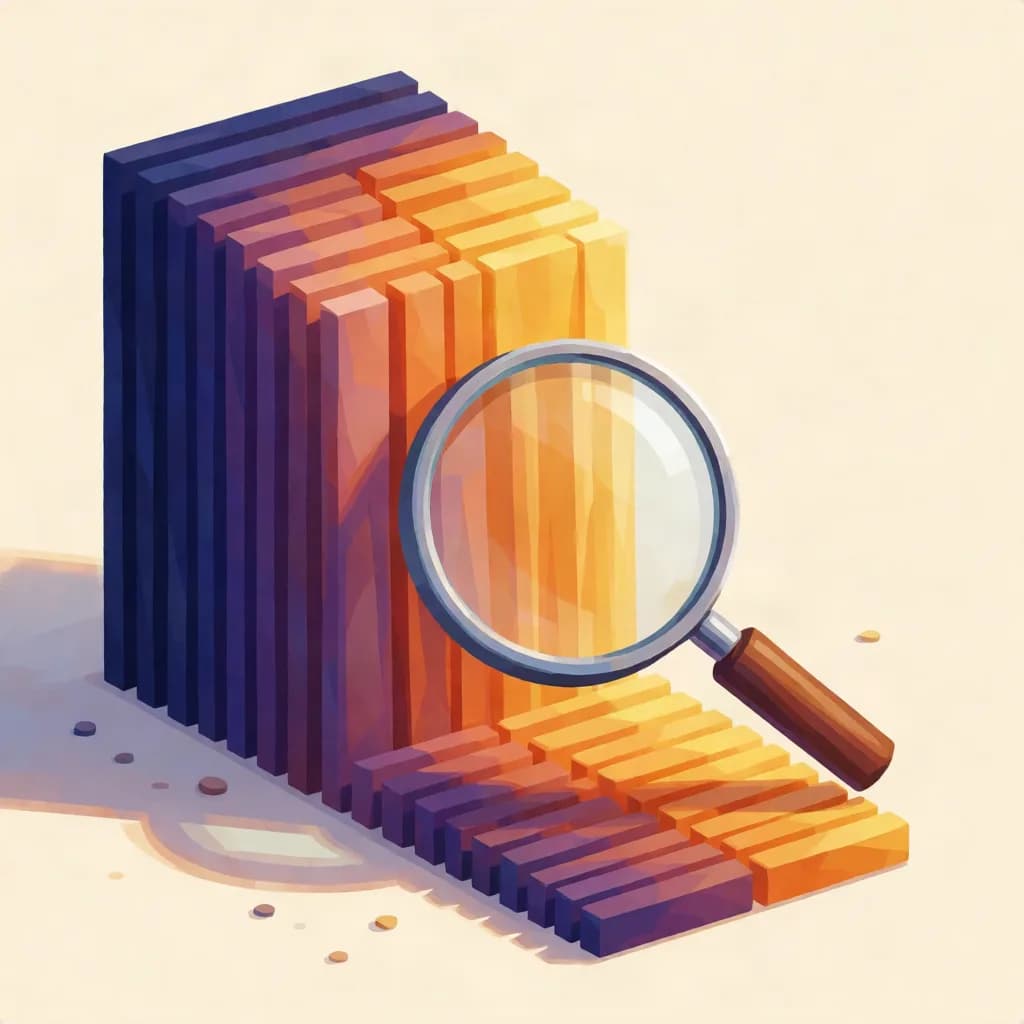
Do not trust a preview window, because a player that does not apply the PQ curve will show a correct file incorrectly. Read the stream instead: run ffprobe with -show_entries stream=color_transfer,color_primaries,pix_fmt and check for smpte2084, bt2020 and yuv420p10le. All three present means HDR10. A color_transfer of bt709 means the file is SDR, whatever produced it and whatever it is called.
The limits
MP4, MOV, or WebM. Up to 60 seconds and 500 MB per clip. If a conversion fails for any reason, the charge returns to your balance automatically, usually within minutes.
When this is the wrong tool
If your footage is already HDR, which most iPhone 12 and newer clips are, converting again gains nothing. If your source is ungraded log footage, grade it first, because a flat curve is data awaiting interpretation rather than a picture. If your highlights are already clipped to flat white, no conversion recovers detail the sensor never recorded. And if you need upscaling, denoising or frame interpolation, those are different problems and this does none of them.
Retention
Uploads and outputs are stored for 7 days, then deleted. Download your master and keep it somewhere you control.
Pricing
Per second, resolution-tiered: $6.00 per 10 seconds at 1080p and below, $12.75 per 10 seconds above 1080p, $0.60 minimum. Pay as you go from a $50 top-up, or subscribe for a lower per-second rate.
Questions people ask
How long does a conversion take?
Usually a few minutes for a short clip, though it depends on duration, resolution and how busy the queue is. The result page shows progress while it runs and emails you when it finishes, so you do not need to keep the tab open.
Is there an API?
No. Conversion runs through the web app after signing in, and there is no public endpoint to call. If you are looking to script this into a pipeline, there is currently no supported way to do it.
Can I convert several clips at once?
You upload one clip at a time, and each is priced and charged separately. There is no batch upload. For a set of clips the practical approach is to convert them in sequence, since each finishes in a few minutes.
What happens to a clip longer than 60 seconds?
It is rejected before any charge. Trim to the section you actually want and upload that. The limit covers most short-form, product and highlight footage without cutting, and it is the constraint most likely to rule this out for a given job.
Your SDR library is sitting on HDR hardware.
Convert the first clip in minutes. Pay only for what you convert.
Convert your first video